EICR Compliance for Landlords: A Landlord's Guide
- LMG Electrical Limited

- May 1
- 4 min read
When it comes to managing rental properties, safety is always a top priority. One crucial aspect of this is ensuring your electrical installations are safe and compliant with current regulations. That’s where an Electrical Installation Condition Report (EICR) comes in. If you’re a landlord, understanding EICR compliance is essential to protect your tenants, your property, and yourself from legal issues.
In this guide, I’ll walk you through everything you need to know about EICR certificates, why they matter, and how to stay on top of your responsibilities.
What Is an EICR and Why Is It Important for Landlords?
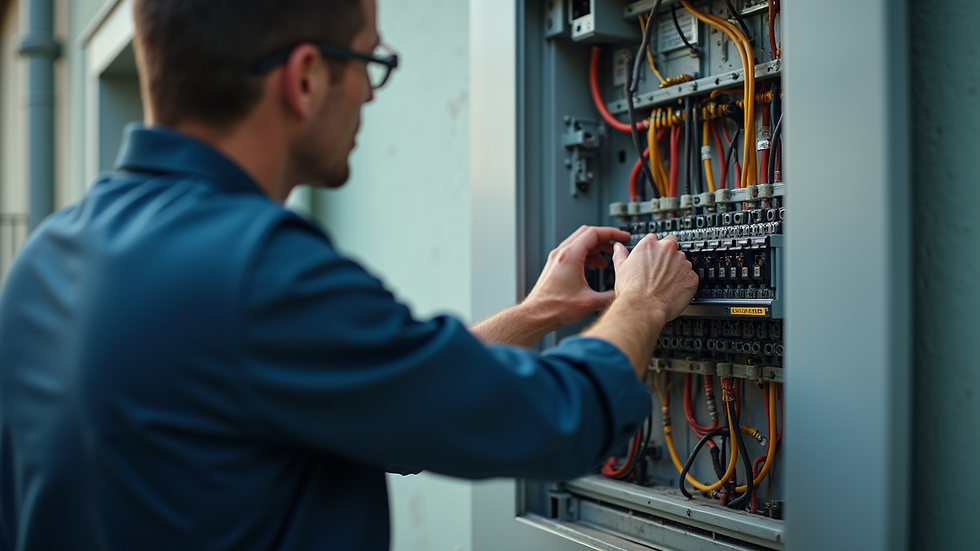
An Electrical Installation Condition Report (EICR) is a formal document produced by a qualified electrician after inspecting the electrical systems in a property. The report highlights any faults, deterioration, or potential hazards in the wiring, sockets, switches, and other electrical components.
For landlords, an EICR is not just a good idea - it’s a legal requirement in many cases. Since June 2020, landlords in England must have an EICR for their rental properties every five years or at the start of a new tenancy. This rule helps ensure that tenants live in safe environments and that landlords maintain their properties responsibly.
Here’s why EICR compliance is crucial:
Tenant safety: Faulty wiring can cause shocks, fires, or other serious accidents.
Legal protection: Having a valid EICR protects you from penalties and legal claims.
Insurance compliance: Many insurance policies require up-to-date electrical safety checks.
Property value: Well-maintained electrical systems can increase your property’s appeal and value.
If you’re wondering how to get started, it’s best to hire a registered electrician who can carry out a thorough inspection and provide a detailed report.

Understanding EICR Compliance for Landlords
EICR compliance means meeting the legal and safety standards set out for electrical installations in rental properties. As a landlord, you must ensure that:
The electrical installation is safe at the start of a tenancy.
An EICR is conducted at least every five years.
Any issues identified in the report are addressed within the recommended time frame.
You provide a copy of the EICR to your tenants and keep a record for your own files.
The inspection covers various elements such as:
Condition of wiring and cables
Functionality of sockets and switches
Safety devices like RCDs (Residual Current Devices)
Earthing and bonding arrangements
Signs of wear, damage, or overheating
If the electrician finds any problems, they will classify them as:
C1 (Danger present): Immediate risk, requires urgent action.
C2 (Potentially dangerous): Needs prompt attention.
C3 (Improvement recommended): Not dangerous but should be fixed.
FI (Further investigation): More checks needed.
Addressing C1 and C2 issues quickly is vital to maintain compliance and safety.
If you want to learn more or get your property checked, you can find reliable services offering an eicr certificate for landlords to ensure you meet all legal requirements.
How Much Does an EICR Cost UK?
One of the most common questions I get asked is about the cost of an EICR in the UK. The price can vary depending on several factors, including:
The size of the property
The number of circuits to be tested
The location of the property
The electrician’s experience and credentials
On average, you can expect to pay between £100 and £300 for a standard EICR on a typical residential property. Larger or more complex properties may cost more due to the increased time and effort required.
Keep in mind that this cost includes a full inspection and a detailed report. If any remedial work is needed, that will be an additional expense.
It’s worth investing in a reputable electrician who provides clear pricing upfront and explains what the report covers. This way, you avoid surprises and ensure your property is safe and compliant.

What Happens After You Receive Your EICR?
Once you have your EICR, the next steps are crucial. The report will outline any issues found and recommend actions. Here’s what you should do:
Review the report carefully: Understand the severity of any faults.
Prioritise urgent repairs: Fix any C1 or C2 issues immediately.
Schedule improvements: Plan to address C3 recommendations when possible.
Keep records: Store the EICR and any repair invoices safely.
Share with tenants: Provide a copy of the report to your tenants within 28 days of the inspection.
If you ignore the report or delay repairs, you risk fines, legal action, and most importantly, the safety of your tenants.
Regular EICR checks also help you spot potential problems early, saving money on costly repairs down the line.
Tips for Landlords to Stay EICR Compliant
Staying on top of EICR compliance doesn’t have to be stressful. Here are some practical tips to help you manage your electrical safety responsibilities:
Schedule inspections early: Don’t wait until the last minute before a tenancy starts.
Use qualified electricians: Always hire professionals registered with recognised bodies.
Keep a maintenance log: Record all inspections, repairs, and upgrades.
Educate tenants: Encourage tenants to report electrical issues promptly.
Plan for regular checks: Set reminders for the five-year inspection cycle.
Budget for repairs: Allocate funds for any necessary electrical work.
By being proactive, you protect your investment and provide a safe home for your tenants.
Staying Ahead with Electrical Safety
Electrical safety is an ongoing commitment. As regulations evolve, staying informed is key. Regular EICR inspections are just one part of maintaining a safe property. Consider also:
Installing smoke alarms and carbon monoxide detectors
Checking portable appliances regularly
Upgrading old wiring or fuse boards when needed
If you’re managing multiple properties, consider working with a trusted electrical service provider who can help you keep everything compliant and safe.
Remember, electrical safety is not just about ticking boxes - it’s about peace of mind for you and your tenants.
I hope this guide has helped clarify what EICR compliance means for landlords and how to approach it confidently. If you want to ensure your properties meet all electrical safety standards, getting an eicr certificate for landlords is a smart and responsible step. Stay safe and keep your properties in great shape!


Comments