EICR Compliance for Landlords: What You Need to Know

When it comes to renting out a property, safety is not just a priority - it’s a legal requirement. One of the key safety checks landlords must arrange is the Electrical Installation Condition Report, or EICR. If you’re a landlord in Sussex or anywhere else in the UK, understanding what an EICR involves and why it matters can save you from costly fines and keep your tenants safe. Let me walk you through everything you need to know about EICR compliance for landlords.
What Is an EICR and Why Is It Important for Landlords?
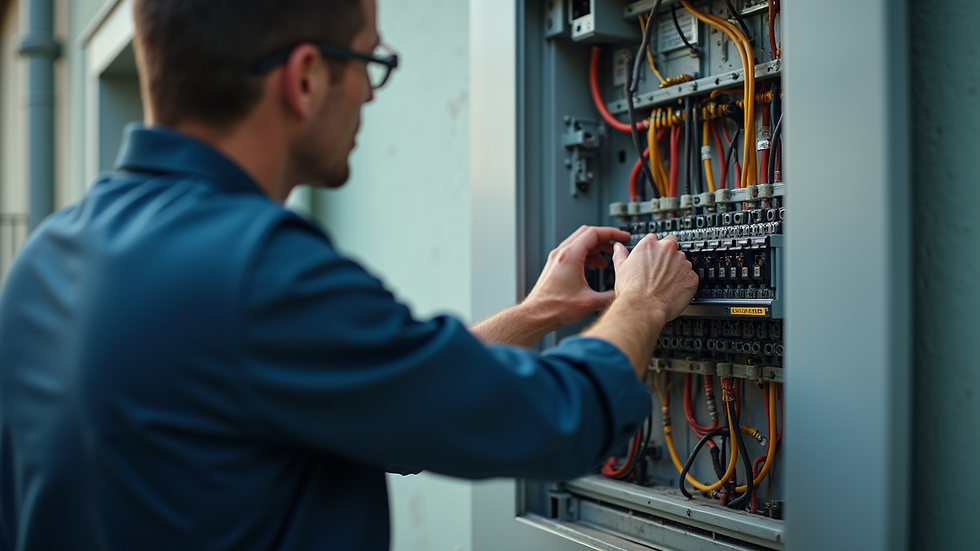
An EICR is a detailed inspection of the electrical installations in a property. This includes wiring, sockets, fuse boxes, and any fixed electrical equipment. The goal is to ensure everything is safe and working correctly. The inspection is carried out by a qualified electrician who checks for wear and tear, damage, and any potential hazards.
For landlords, this is crucial. The law requires that rental properties have a valid EICR to protect tenants from electrical accidents such as shocks or fires. Without this certificate, you could face legal action, fines, or even lose your right to rent out the property.
The report will highlight any issues found during the inspection. These are categorised by severity, from minor recommendations to urgent repairs. As a landlord, you must act on these findings promptly to maintain compliance and safety.
Understanding EICR Compliance for Landlords
EICR compliance means having a current, valid certificate that confirms your property’s electrical system is safe. Since June 2020, it has been a legal requirement in England for landlords to have an EICR before a new tenancy begins and then every five years thereafter.
Here’s what you need to know about staying compliant:
Frequency: EICRs must be done at least every five years or at the start of a new tenancy.
Qualified Electrician: Only a registered and qualified electrician can carry out the inspection.
Report Details: The report will list any defects and assign codes to them:
- C1: Danger present - risk of injury, immediate action required.
- C2: Potentially dangerous - urgent remedial action needed.
- C3: Improvement recommended - not urgent but advisable.
- FI: Further investigation required.
Repairs: Any C1 or C2 issues must be fixed immediately to comply with safety standards.
Record Keeping: Keep a copy of the EICR for at least five years and provide a copy to your tenants.
By following these rules, you’re not only meeting legal obligations but also showing your tenants that their safety is your priority.
How Much Is a Landlord's EICR Certificate?
One of the first questions landlords ask is about the cost. The price of an EICR can vary depending on several factors:
Property Size: Larger properties with more circuits and sockets will cost more to inspect.
Location: Prices can differ across regions, but in Sussex, you can expect competitive rates.
Condition of Wiring: Older properties or those with known issues might require more time and effort.
Electrician’s Experience: Qualified and reputable electricians may charge a premium for their expertise.
On average, you might pay between £100 and £250 for a standard EICR in a typical rental property. It’s a small price to pay compared to the potential fines for non-compliance or the risk of electrical accidents.
Remember, the cost includes the inspection and the certificate itself. If repairs are needed, those will be an additional expense. It’s wise to budget for these repairs as part of your property maintenance plan.

What Happens During an EICR Inspection?
During the inspection, the electrician will carry out a thorough check of all fixed electrical installations. This includes:
Visual Inspection: Checking the condition of wiring, sockets, switches, and consumer units.
Testing: Using specialised equipment to test the safety and functionality of circuits.
Identification of Issues: Looking for signs of damage, wear, or non-compliance with current regulations.
Documentation: Recording all findings in a detailed report.
The process usually takes a few hours depending on the size of the property. The electrician will explain any immediate concerns and advise on necessary repairs.
After the inspection, you’ll receive the EICR certificate. This document is your proof that the property meets electrical safety standards. If any issues are found, the report will clearly state what needs fixing and how urgent it is.
Why You Should Prioritise Electrical Safety in Your Rental Property
Electrical safety is not just about ticking a box. It’s about protecting lives and property. Faulty wiring or outdated electrical systems can lead to fires, shocks, or other serious hazards. As a landlord, you have a duty of care to your tenants.
Here are some reasons to prioritise EICR compliance:
Legal Protection: Avoid fines and legal action by meeting your obligations.
Tenant Confidence: Tenants feel safer and more comfortable in a well-maintained property.
Insurance: Many insurance policies require proof of electrical safety compliance.
Property Value: Well-maintained electrical systems can enhance your property’s value.
Peace of Mind: Knowing your property is safe reduces stress and potential liability.
Taking care of electrical safety is a smart investment in your rental business.
Taking the Next Step: Getting Your EICR Certificate for Landlords
If you haven’t had an EICR done recently, now is the time to act. Finding a qualified electrician in Sussex who understands landlord requirements is key. They will guide you through the process, carry out the inspection, and provide the necessary certification.
You can learn more about the importance of an eicr certificate for landlords and how to get one from trusted local providers.
Remember, staying on top of electrical safety is an ongoing responsibility. Schedule regular inspections, keep records, and address any issues promptly. This approach will help you maintain compliance and provide a safe home for your tenants.
By understanding and prioritising EICR compliance for landlords, you’re not just following the law - you’re creating a safer, more reliable rental experience. It’s a straightforward step that brings peace of mind and protects your investment for years to come.


Comments