The Importance of EICR Reports: Keeping Your Electrical Systems Safe and Sound
When it comes to electrical safety, many people tend to overlook one crucial aspect: the Electrical Installation Condition Report, or EICR. I’ve seen firsthand how this report can make a significant difference in preventing electrical hazards and ensuring peace of mind for property owners. Whether you own a home, manage a commercial building, or run an industrial site in Sussex, understanding the importance of EICR reports is essential.
Electrical systems are complex and can deteriorate over time. Faulty wiring, outdated installations, or unnoticed damage can lead to serious risks like electrical fires or shocks. That’s why regular inspections and reports are not just a good idea—they’re a necessity.
Why the Importance of EICR Reports Cannot Be Overstated
EICR reports are more than just paperwork. They are detailed assessments carried out by qualified electricians to check the condition of your electrical installations. The report highlights any defects, potential hazards, and areas that need improvement or immediate attention.
Here’s why these reports are so important:
Safety First: The primary goal is to protect people and property from electrical accidents. An EICR identifies risks before they cause harm.
Legal Compliance: For landlords and businesses, having a valid EICR is often a legal requirement. It ensures you meet safety standards and avoid penalties.
Insurance Requirements: Many insurance companies require up-to-date EICR reports to validate claims related to electrical faults.
Preventative Maintenance: Early detection of issues can save you money by avoiding costly repairs or replacements down the line.
Peace of Mind: Knowing your electrical system is safe allows you to focus on other priorities without worry.
If you’re wondering what is an electrical installation condition report, it’s essentially a thorough inspection and testing process that evaluates the safety and functionality of your electrical wiring and equipment.

What Does an EICR Involve?
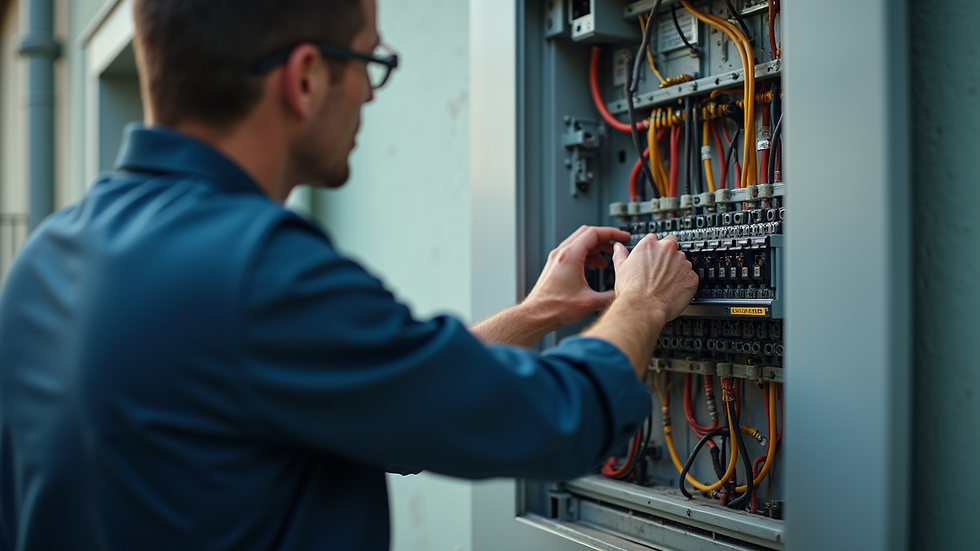
An EICR is a comprehensive check that covers all the fixed electrical installations in a property. This includes wiring, sockets, switches, fuse boards, and any other permanent electrical components. The process typically involves:
Visual Inspection: The electrician looks for obvious signs of damage, wear, or unsafe installations.
Testing: Using specialised equipment, they test the circuits to ensure they are functioning correctly and safely.
Identification of Defects: Any faults or potential hazards are recorded.
Recommendations: The report will suggest necessary repairs, replacements, or improvements.
Certification: A formal document is issued, detailing the condition of the electrical system and any actions required.
The report categorises issues by severity, such as:
C1 (Danger Present): Immediate action required.
C2 (Potentially Dangerous): Urgent remedial work needed.
C3 (Improvement Recommended): Not dangerous but should be addressed.
FI (Further Investigation): More detailed checks needed.
This clear classification helps you prioritise repairs and maintain a safe environment.
Can a Normal Electrician Do an EICR?
You might be wondering if any electrician can carry out an EICR. The answer is a bit nuanced. While many electricians can perform basic electrical work, an EICR requires specific qualifications and experience.
To conduct a valid EICR, the electrician must be:
Qualified and Competent: They should hold recognised certifications such as the City & Guilds 2391 or equivalent.
Experienced in Testing and Inspection: EICRs involve detailed testing procedures that not all electricians are trained for.
Registered with a Competent Person Scheme: This ensures they follow industry standards and regulations.
Hiring a qualified professional is crucial because an inaccurate or incomplete report can lead to missed hazards, putting lives and property at risk. Always ask for proof of qualifications and experience before commissioning an EICR.

How Often Should You Get an EICR?
The frequency of EICR inspections depends on the type of property and its usage. Here are some general guidelines:
Domestic Properties: Every 10 years or when there is a change of occupancy.
Rental Properties: At least every 5 years or at each change of tenancy.
Commercial Properties: Every 5 years or more frequently depending on the risk assessment.
Industrial Sites: Often annually or as specified by safety regulations.
Regular inspections help catch issues early and keep your electrical system compliant with current safety standards. If you notice flickering lights, frequent circuit breaker trips, or burning smells, don’t wait for the next scheduled inspection—get an EICR done immediately.
Taking Action After Receiving Your EICR
Once you have your EICR report, it’s important to act on the findings promptly. Here’s what you should do:
Review the Report Carefully: Understand the severity of any issues highlighted.
Prioritise Repairs: Address C1 and C2 issues immediately to eliminate dangers.
Schedule Improvements: Plan for C3 recommendations to enhance safety.
Keep Records: Store your EICR reports safely for future reference and compliance checks.
Communicate with Tenants or Staff: If you manage a rental or commercial property, inform occupants about any safety measures or disruptions.
Ignoring the report’s advice can lead to serious consequences, including electrical fires, injury, or legal action. On the other hand, acting quickly can save lives and protect your investment.
Why Choose Professional Electrical Services in Sussex?
Living or working in Sussex means you have access to skilled electrical professionals who understand local regulations and conditions. Choosing a trusted provider ensures:
Expertise in Local Safety Standards: They know the specific requirements for East and West Sussex.
Comprehensive Services: From EICRs to renewable energy solutions, fire safety, and security systems.
Customer-Focused Approach: Clear communication, reliable scheduling, and thorough workmanship.
Peace of Mind: Knowing your electrical systems are in safe hands.
Regular EICRs are a vital part of maintaining a safe and efficient electrical system. Don’t wait for a problem to arise—schedule your inspection today and keep your property secure.
Electrical safety is not something to take lightly. By understanding the importance of EICR reports and ensuring regular inspections, you’re taking a proactive step towards protecting your home, business, or industrial site. Remember, safety starts with knowledge and action.


Comments