Explaining Electrical Installation Condition Reports: Your Guide to Electrical Condition Reporting

When it comes to keeping your property safe and up to standard, understanding electrical safety checks is crucial. One of the key documents in this area is the Electrical Installation Condition Report, often abbreviated as EICR. If you’ve ever wondered what this report is, why it matters, and how it affects your home or business, you’re in the right place. I’ll walk you through everything you need to know about electrical condition reporting, breaking down the technical jargon into clear, simple terms.
What Electrical Condition Reporting Means for You
Electrical condition reporting is essentially a thorough inspection of the electrical systems in your property. Whether you own a home, manage a commercial building, or run an industrial site, this process helps identify any faults, wear, or potential hazards in your wiring, sockets, and electrical appliances.
The goal? To ensure everything is safe, compliant with current regulations, and functioning properly. This isn’t just about ticking boxes; it’s about protecting lives and property from electrical fires, shocks, or failures.
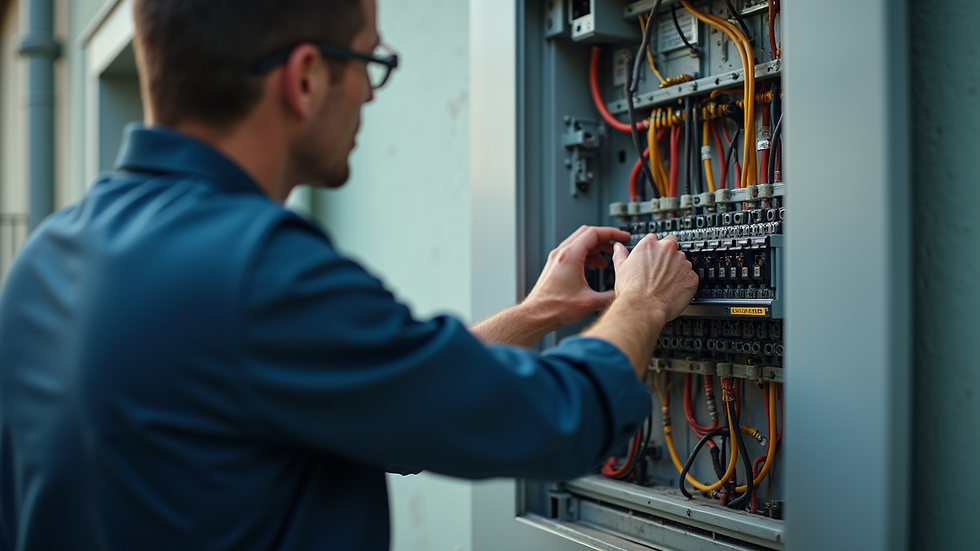
During an electrical condition report, a qualified electrician will check:
The condition of wiring and cables
The safety of sockets and switches
The operation of circuit breakers and fuses
Earthing and bonding arrangements
Any signs of damage or deterioration
This inspection results in a detailed report highlighting any issues found, along with recommendations for repairs or upgrades.

Why Electrical Installation Condition Reports Are Essential
You might be asking yourself, why do I need an electrical installation condition report? The answer is simple: safety and peace of mind. Electrical faults can be hidden and develop over time, so regular checks are vital.
For homeowners, an EICR can reveal problems before they become dangerous. For landlords, it’s a way to ensure tenants live in safe conditions and to comply with legal responsibilities. Commercial and industrial clients benefit by avoiding costly downtime or damage caused by electrical failures.
Here are some practical reasons to prioritise electrical condition reporting:
Prevent accidents: Faulty wiring can cause shocks or fires.
Meet insurance requirements: Many insurers require up-to-date electrical safety reports.
Maintain property value: A well-maintained electrical system adds to your property’s worth.
Plan maintenance: Knowing the condition of your electrical installation helps you budget for repairs.
If you’re curious about what is an electrical installation condition report, you can find a detailed explanation here.

Is it a Legal Requirement to Have an EICR?
You might wonder if having an Electrical Installation Condition Report is a legal must. The answer depends on your situation, but in many cases, yes, it is.
For landlords in the UK, the law requires an EICR at least every five years or at the start of a new tenancy. This ensures rental properties meet safety standards and protect tenants.
For commercial and industrial properties, regulations such as the Electricity at Work Regulations 1989 require regular inspections to ensure electrical systems are safe to use.
Homeowners are not legally obliged to have an EICR, but it’s highly recommended. If you’re selling your home, having a recent report can reassure buyers and speed up the sale process.
In summary:
Landlords: EICR every 5 years or between tenancies.
Businesses: Regular inspections as per safety regulations.
Homeowners: Recommended for safety and insurance purposes.
Failing to comply with these requirements can lead to fines, insurance issues, or worse – serious accidents.
What Happens During an Electrical Installation Condition Report?
Understanding the process can help you feel more comfortable when the electrician arrives. The inspection usually takes a few hours, depending on the size and complexity of your property.
Here’s what typically happens:
Visual inspection: The electrician looks for obvious signs of damage, wear, or unsafe installations.
Testing: Using specialised equipment, they test circuits, sockets, and protective devices to ensure they work correctly.
Identification of issues: Any faults, such as loose connections, outdated wiring, or overloaded circuits, are noted.
Report compilation: The electrician writes a detailed report, categorising issues by severity:
C1: Danger present – immediate action required
C2: Potentially dangerous – urgent remedial work needed
C3: Improvement recommended – not urgent
FI: Further investigation required
Recommendations: The report will suggest repairs, replacements, or upgrades to bring the installation up to standard.
After the inspection, you’ll receive a copy of the report. It’s important to act on any urgent recommendations quickly to keep your property safe.
How to Prepare for an Electrical Installation Condition Report
Preparing your property for an EICR can make the process smoother and quicker. Here are some tips:
Clear access: Ensure the electrician can easily reach your fuse box, consumer unit, and electrical outlets.
Inform occupants: Let everyone in the building know about the inspection to avoid surprises.
List concerns: If you’ve noticed any electrical issues, write them down to discuss with the electrician.
Turn off appliances: Unplug sensitive devices to prevent damage during testing.
By being organised, you help the electrician do a thorough job without delays.
After the Report: What Should You Do?
Once you have your Electrical Installation Condition Report, the next steps are crucial. If the report highlights any C1 or C2 issues, these must be addressed immediately by a qualified electrician.
For C3 or FI codes, plan the recommended improvements within a reasonable timeframe. Ignoring these can lead to bigger problems down the line.
Here’s a simple action plan:
Review the report carefully.
Prioritise urgent repairs.
Schedule work with a certified electrician.
Keep records of all repairs and inspections.
Plan regular future inspections (every 5 years or as advised).
Taking these steps not only keeps your property safe but also helps maintain compliance with regulations and insurance policies.
Why Choose Professional Electrical Services for Your EICR?
Electrical condition reporting is not a DIY task. It requires expertise, specialised tools, and up-to-date knowledge of regulations. Hiring a professional ensures the inspection is thorough and accurate.
A trusted electrical service provider will:
Use certified electricians with experience in EICRs
Provide clear, easy-to-understand reports
Offer advice on repairs and upgrades
Help you stay compliant with legal requirements
Respond quickly to urgent safety issues
Choosing the right professional means you get peace of mind knowing your electrical system is safe and reliable.
Electrical safety is something we all need to take seriously. Understanding electrical installation condition reports and acting on them protects your property and everyone in it. Whether you’re a homeowner, landlord, or business owner, regular electrical condition reporting is a smart investment in safety and compliance.
If you want to keep your electrical systems in top shape, make sure you schedule your next EICR with a qualified professional. It’s a small step that makes a big difference.


Comments